The number of admissions at UK private hospitals for patients aged under-50 with bowel cancer has gone up 50% since 2021, according to the latest data from the Private Healthcare Information Network (PHIN).
For under-50-year-olds, quarterly private admissions increased from 620 to 925 between Q4 (October to December) 2021 and Q3 (July to September) 2025. In contrast, the over-50 age group stayed relatively stable, at about 2,000 admissions per quarter.
Upward trend in private bowel cancer admissions
Bowel cancer incidence is rising internationally, and the UK is seeing similar trends. In the private sector, there were 46,000 admissions for all age groups for the management and treatment of bowel cancer over this four-year period.
PHIN data indicates an upward trend with a 7% increase for admissions with bowel cancer as the primary diagnosis between Q4 2021 and Q3 2025. There was also a 22% increase in admissions for lower gastrointestinal endoscopic procedures used to diagnose and treat bowel cancer. However, not all these procedures were cancer related.
Dr Christopher Smith-Brown, Clinical Advisor at PHIN, said:
“Our role at PHIN is to make the healthcare sector more ‘transparent’ by collecting and publishing data so that patients have a better understanding of their options and can make more informed choices. As part of Bowel cancer awareness month, we’ve investigated how the private sector is supporting the treatment of this common type of cancer.
“For the under-50s, admissions are increasing at a faster rate, than in the relatively stable trend observed in the over-50 group. This could be due to growing awareness of the symptoms and risks of bowel cancer due to campaigning and the increased accessibility to private services to get a diagnosis.
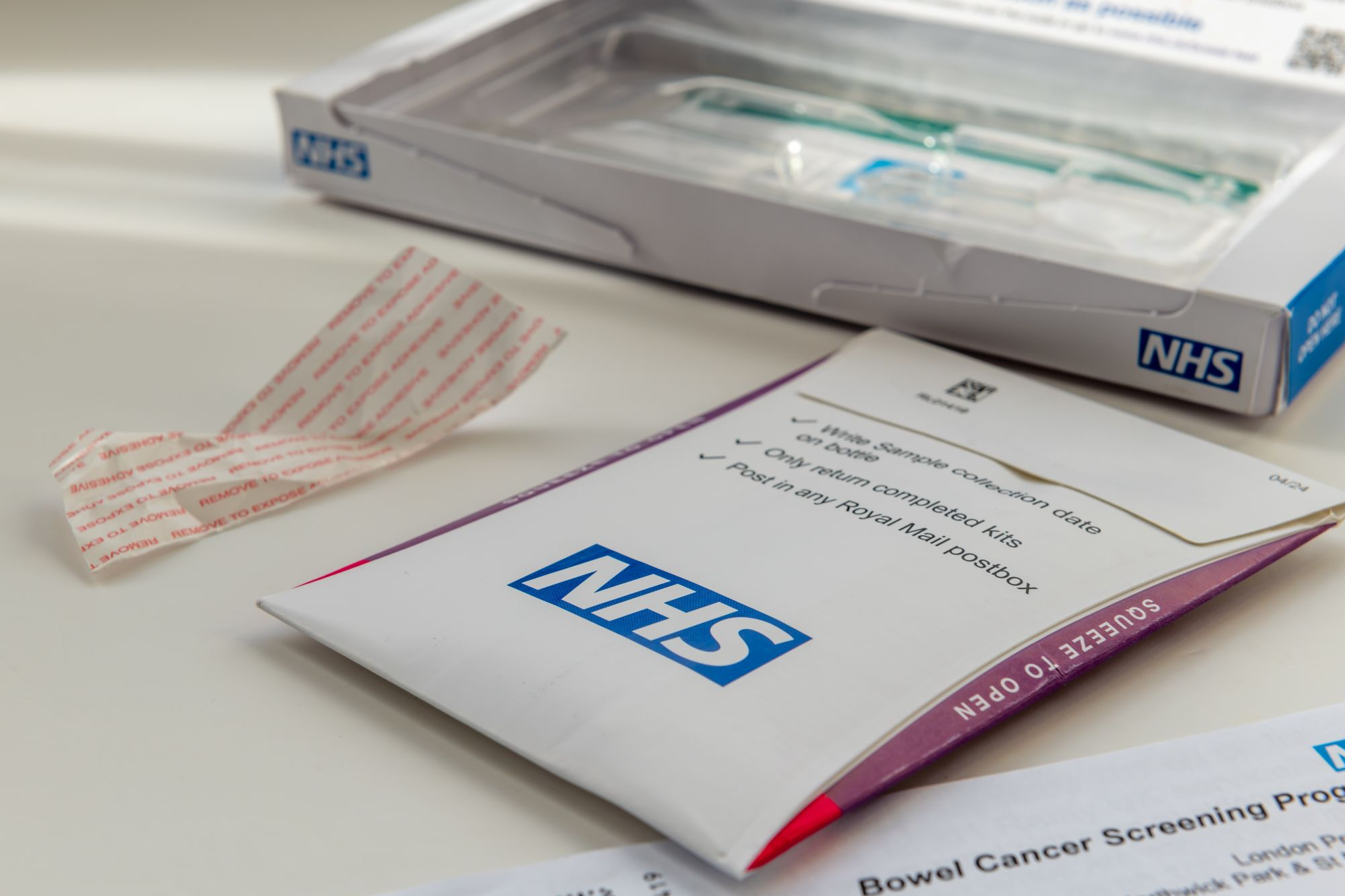
“The NHS is committed to early diagnosis and is lowering the threshold of a routine home screening test for the over-50s. That should trigger further investigations, such as endoscopy or colonoscopy, and the NHS expects to diagnose 11% more bowel cancer and many other conditions that may lead to it.
“In both age groups, changes to screening thresholds are expected to lead to a higher demand for diagnostic testing, with NHS projections indicating around 35% more endo-colonoscopies will be needed. More demand for screening and treatment means more pressure on an already strained NHS capacity. Patients might turn to private providers in even greater numbers for earlier diagnosis and the consequent better outcomes.”
“The private sector is helping already. With an increase in lower GI endo/colonoscopies of 8% for the over-50s and a 48% increase for the under-50s since Q4 2021, there has clearly been an upwards trend and we are expecting even more demand once the new lower threshold for screening comes in.
“There have been more Lower GI procedures for the under-50s in the private sector than the over-50s since Q2 2023.”
Bowel cancer in numbers
In the UK, bowel cancer is the fourth most common cancer, with over 42,000 people diagnosed every year. When detected early (stage 1), patients have a much higher chance of surviving, at a rate of 9 out of 10. When diagnosed late at stage 4, the survival rate drops down to 1 out of 10.
In 2023, the rate in England, from NHS data 2 , was at 73 cases per 100,000 population, and the incidence internationally has been rising sharply over the last 30 years, especially in younger adults.
Several risk factors have been attributed to this global phenomenon, including sedentary lifestyle, coupled with ultra-processed food, leading to obesity.
These factors are associated with biological processes that may increase cancer risk, including DNA damage and disruption to normal cell regulation. Similarly, environmental toxins like micro-plastics and a disturbed gut microbiome (gut bacteria) lead to disruption in the healthy cell replication process and detection of damaged cells.