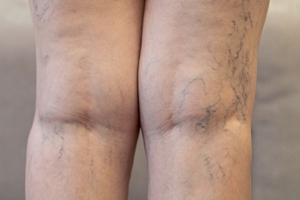
Varicose veins are very common, but for some people they are more than an appearance issue. They can cause pain, itching, swelling and skin changes that affect everyday life. If symptoms become more serious, treatment may be an option.
PHIN’s new guide to varicose vein treatments explains what varicose veins are, what causes them and when you should consider speaking to your GP. It also looks at the main treatments available and what to expect before and after treatment.
The guide covers treatments including endothermal ablation , which uses heat to close the affected vein, foam sclerotherapy , which involves injecting a substance into the vein to close it, and surgical stripping , an older procedure that has largely been replaced by more modern techniques.
It also answers some of the questions you may have when considering treatment, including:
- How can I improve the symptoms of varicose veins?
- When should I see a doctor?
- How successful are treatments?
- What does recovery involve?
- Are there any risks or complications?
- How much might private treatment cost?
- Can I get varicose vein treatment on the NHS?
Finally, the guide explains how you can use PHIN's website to search for hospitals and consultants providing private healthcare near you.
If you have varicose veins and are considering your treatment options, read our full guide to varicose vein treatments to understand the different options and the questions you may want to ask before making a decision.