Key points
- Endometriosis is where cells similar to those in the lining of the womb (uterus) grow in other parts of the body. It can have a big impact on your life.
- Amanda experienced endometriosis symptoms from her teenage years but was not diagnosed until she was 29.
- Delays in diagnosis affected her health, fertility and wellbeing.
- She has undergone multiple surgeries and continues to live with the condition.
- Amanda believes greater awareness and better access to specialist care could improve outcomes for many women.
- Endometriosis support groups have played an important role in helping her manage the challenges of living with endometriosis.
Living with endometriosis
“I lived with symptoms for years before anyone mentioned endometriosis”
Amanda, Endometriosis sufferer
Endometriosis has affected almost every part of Amanda's life. From debilitating pain and fertility challenges to feelings of isolation and misunderstanding, her experience highlights the impact that delayed diagnosis and limited awareness can have on people living with endometriosis.
Amanda first began experiencing symptoms shortly after her periods started.
"I was around 15 when things became really difficult," she says. "The pain was severe, and I often had to leave school because of heavy bleeding and large blood clots."
At the time, Amanda sought help from her GP but felt her symptoms were dismissed as normal period pain. She was prescribed the contraceptive pill and reassured that her heavy periods would improve.
Looking back, Amanda believes she may have been living with endometriosis since her first period.
A long road to diagnosis
Although Amanda continued to experience symptoms throughout her teens and twenties, it was not until she came off the contraceptive pill after getting married that her condition became impossible to ignore.
"The pain and bleeding became unbearable," she explains. "I struggled to work because I was bleeding constantly and passing large clots. It was exhausting and embarrassing."
At the same time, Amanda and her husband were trying to start a family. Difficulties conceiving led to further investigations, and in 2010 she underwent a laparoscopy for endometriosis diagnosis. It was after this procedure that she first heard the word ‘endometriosis’.
“I had never even heard of it before, I didn't know what it was or how to pronounce it.”
.
For Amanda, the lack of information provided following her diagnosis was another challenge.
"I felt completely unprepared. I was told I had endometriosis, but I didn't really understand what that meant for my future."
Fertility challenges and loss
Following her diagnosis, Amanda was prescribed medication to encourage ovulation and soon became pregnant. However, the pregnancy was ectopic and required emergency treatment.
Doctors were unable to locate the pregnancy immediately, and Amanda spent a week in hospital before surgery revealed that one of her fallopian tubes had ruptured.
"I lost the pregnancy and my left fallopian tube," she says. "It was devastating."
Amanda believes that greater awareness of the links between endometriosis and ectopic pregnancy could help some women receive earlier support and monitoring.
The experience had a significant impact on her fertility. Her story also highlights the complex relationship between endometriosis and infertility. She later underwent IVF treatment, which was unsuccessful, and has since explored other fertility options.
Living with endometriosis today
More than a decade after her diagnosis, Amanda continues to live with the effects of endometriosis.
“Many people think endometriosis only affects your periods. But it can affect your whole body.”
.
Amanda experiences chronic pain, fatigue and complications caused by endometrial tissue affecting organs beyond the reproductive system.
At times, the condition has severely restricted her mobility.
"There have been times when I struggled to walk because my organs had become stuck together. Before one operation, I was largely housebound for months."
Despite these challenges, Amanda continues to work full-time in the NHS, often managing symptoms alongside her professional responsibilities.
Finding specialist endometriosis care
Over the years, Amanda has undergone several laparoscopic procedures and other treatments to manage her symptoms.
One of the most important lessons she learned was the value of receiving care from a specialist endometriosis surgeon.
"It took me years to realise that not all surgeons have the same level of specialist training in endometriosis surgery," she explains.
Amanda later sought treatment at a British Society for Gynaecological Endoscopy (BSGE) accredited endometriosis centre and travelled from York to Birmingham to access the care she felt was right for her.
“You have to become an advocate for your own health. Research your options and ask questions about specialist services.”
.
The emotional impact of endometriosis
For Amanda, one of the most difficult aspects of living with endometriosis has been the emotional toll.
"It's a physical condition, but it affects your mental health too," she says.
She describes feeling unsupported at various points during her journey, including by people who did not understand the impact of the condition. These experiences reflect the broader challenges of endometriosis mental health, including anxiety and isolation linked to persistent pain and uncertainty.
“I spent years trying to explain what I was going through, but sometimes people didn't believe how unwell I was.”
.
Amanda says feelings of isolation are common among people living with endometriosis.
"It can be very lonely. There were times when I felt embarrassed talking about my symptoms because people seemed uncomfortable discussing them."
The importance of support networks
Seeking support from others living with endometriosis became a turning point.
Amanda joined several online communities, including National Endometriosis Sufferers Support (NESS) ( https://www.facebook.com/groups/154168335211043/ ) and Endometriosis UK support groups.
“Connecting with people who understood exactly what I was going through made a huge difference.”
.
The groups provided both practical information and emotional support, helping Amanda learn more about her condition and endometriosis treatment options.
Today, she volunteers her time supporting others and helping raise awareness of endometriosis.
"I want people to know they're not alone," she says. "Support groups can be life-changing."
Amanda's advice for those with endometriosis
Amanda believes that education, self-advocacy and support can help people navigate life with endometriosis.
Her advice includes:
- Trust your instincts if something does not feel right.
- Seek medical advice if symptoms are affecting your daily life.
- Learn about specialist endometriosis services and treatment options.
- Connect with support groups and others who understand the condition.
- Remember that your pain is real and deserves to be taken seriously.
Managing symptoms: what helps Amanda
Amanda says symptom management is highly individual, but a few approaches have helped her:
Managing stress
Techniques such as yoga, meditation, massage, reflexology and acupuncture can help her cope with stress, which she feels can worsen symptoms.
Eating well and staying hydrated
Amanda tries to maintain a balanced diet, reduce processed foods and drink plenty of water.
Finding effective pain relief
Warm baths, hot water bottles, rest and gentle exercise can all help during flare-ups. Together, these habits contribute to her endometriosis pain management.
Prioritising self-care
"Never underestimate the importance of looking after yourself," Amanda says.
Building a support network
Having supportive friends, family members and fellow patients has been one of the most valuable parts of Amanda's journey.
Looking ahead
Although there is currently no cure for endometriosis, Amanda hopes that greater awareness, earlier diagnosis and better access to specialist care will improve outcomes for future generations.
"The more people understand endometriosis, the more likely it is that others won't have to wait as long as I did for answers," she says.
Thank you to Amanda and Circle Health Group for sharing her experience.
Disclaimer
This patient story reflects one person's experience of living with endometriosis. Experiences, symptoms and treatment outcomes vary from person to person. PHIN shares patient stories to help inform and support people researching their healthcare options. Publication of a patient story does not represent an endorsement or recommendation of any particular healthcare provider, clinician or treatment.
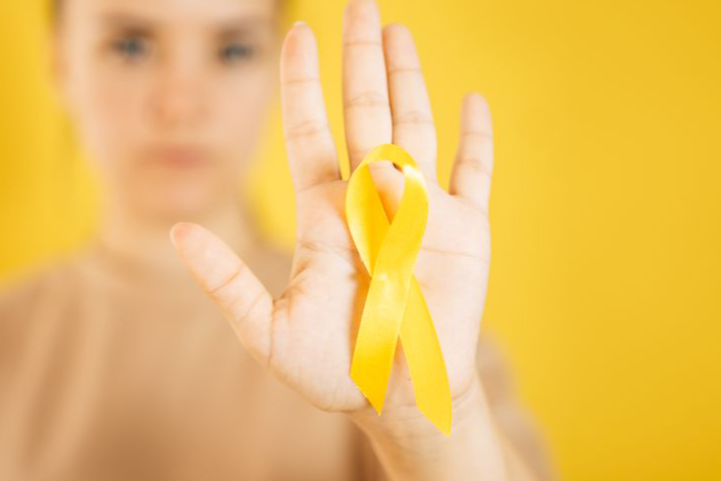
The image shown is not Amanda, but a women holding a yellow ribbon which is used to raise awareness of Endometriosis.
Resources
Experiencing Endometriosis Q&A
Question: Why did it take so long for Amanda to be diagnosed with endometriosis, and what finally led to answers?
Short answer: Amanda’s severe pain, heavy bleeding, and large clots began in her teens but were initially dismissed as “normal period pain,” and the contraceptive pill masked symptoms for years. After she stopped the pill to try for a family, her pain and bleeding became unbearable, and difficulties conceiving prompted further investigations. A laparoscopy in 2010 finally led to her diagnosis at age 29. She feels the delay affected her health, fertility, and overall wellbeing.
Question: How has endometriosis affected Amanda’s fertility and pregnancy journey?
Short answer: Following diagnosis, medication helped Amanda conceive, but the pregnancy was ectopic and required emergency surgery after a ruptured fallopian tube, resulting in pregnancy loss and the loss of her left tube. She later tried IVF without success and has explored other options. She believes greater awareness of the links between endometriosis and ectopic pregnancy could support earlier monitoring and care.
Question: What does living with endometriosis look like for Amanda today?
Short answer: Endometriosis affects more than her periods; she experiences chronic pain, fatigue, and complications from endometrial tissue impacting organs beyond the reproductive system. At times, organs have become stuck together, severely restricting mobility and leaving her largely housebound before surgery. Despite this, she continues to work full-time in the NHS while managing ongoing symptoms.
Question: Why does Amanda emphasise specialist care, and how did she access it?
Short answer: She learned that not all surgeons have the same specialist training in endometriosis surgery. Seeking higher-level expertise, she pursued care at a British Society for Gynaecological Endoscopy (BSGE) accredited endometriosis centre, traveling from York to Birmingham to get the care she felt was right. Her advice: be your own advocate, research options and ask about specialist services.
Question: What strategies and supports help Amanda manage symptoms and emotional wellbeing?
Short answer: Amanda finds a combination of approaches helpful: stress-management techniques (yoga, meditation, massage, reflexology, acupuncture), eating a balanced diet, reducing processed foods, staying hydrated, using heat (baths, hot water bottles), resting, and gentle exercise. She prioritises self-care and relies on support networks – online communities and groups like National Endometriosis Sufferers Support (NESS) and Endometriosis UK – for practical information and emotional support.
Her guidance to others is to trust your instincts, seek medical advice if symptoms disrupt daily life, learn about specialist services, connect with support groups, and remember your pain is real and deserves to be taken seriously.