The 2026 PHIN Quality Forum brought together patients, healthcare professionals, providers, researchers and technology specialists to explore how better information can improve healthcare choices, experiences and outcomes to help people become 'smarter patients'.
Across a packed programme, speakers discussed changes in the healthcare sector, the opportunities and risks presented by artificial intelligence (AI), patient safety in an online world, the impact of financial incentives and the practical meaning of patient empowerment.
The event also celebrated people and organisations making an important contribution to transparency and patient-centred improvement through the annual PHIN Awards.
From publishing data to helping patients use it
Opening the forum, Dr Ian Gargan, PHIN’s Chief Executive, encouraged participants to make the day a genuine conversation and to think about how independent healthcare can work with the NHS to improve the productivity and health of the nation. He emphasised that collecting data is only worthwhile if it is used to make a difference.
In the first main session, Dr Chris Smith-Brown, PHIN Clinical Adviser, examined what PHIN’s growing dataset reveals about the changing private healthcare market.
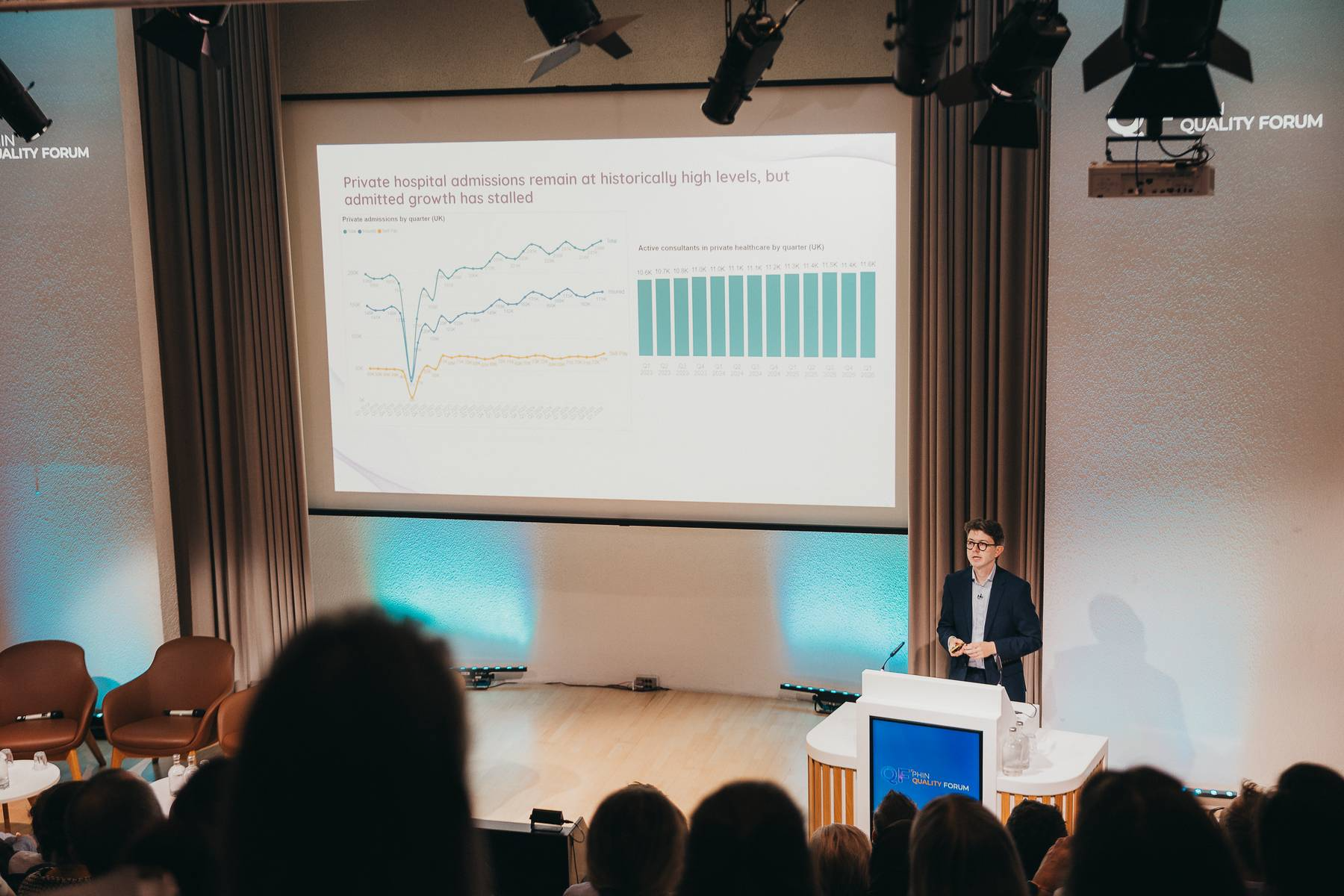
Private hospital admissions remained at historically high levels in the first quarter of 2026, with just under a quarter of a million insured and self-pay admissions. However, the overall figure was broadly unchanged from the same period in 2025. Within that total, insured admissions fell by 2.6%, while self-pay admissions increased by 7.7%, predominantly driven by cataract procedures. Almost 12,000 consultants were active in PHIN’s data during the quarter, the highest recorded for a single quarter.
The presentation also showed how treatment is changing. Nearly three-quarters of rhinoplasty procedures are now delivered as day cases, compared with around one-third in 2018. Six in 10 brachytherapy procedures are delivered as day cases, compared with around two in 10 in 2018, while average stays for private hip and knee replacements have fallen by more than a day over the same period. He also showed how private bariatric surgery has fallen sharply as GLP-1 (weight-loss jabs) use has expanded.
Robotic-assisted knee replacements rose from around 7% of cases in 2022 to almost 17% in 2025, with the number of sites offering them increasing from 42 to 88. The figures illustrated both the pace of technological adoption and the need to assess whether new approaches deliver meaningful benefits for patients.
Dr Smith-Brown said PHIN’s next challenge is not simply to publish more information, but to make it easier to find, understand and use. PHIN’s research found that 84% of patients would research private care before choosing it, but 28% could not name an information source they would use and only around one in four felt confident organising private care. Once PHIN’s role was explained, 82% said they would consider using its information.
The session highlighted three priorities for PHIN after achieving the Competition and Markets Authority Order’s ‘gold’ milestone:
- make independent information more discoverable at the point patients need it
- help people understand and navigate their complete healthcare pathway, rather than looking only at individual hospital episodes
- organise information around the practical questions patients ask, including experience, outcomes, costs and what happens if something goes wrong.
Breakthrough technology and patient care
A panel chaired by Nathalie Alpi, PHIN’s Digital and Analytics Operations Director, considered how emerging technology is influencing healthcare.
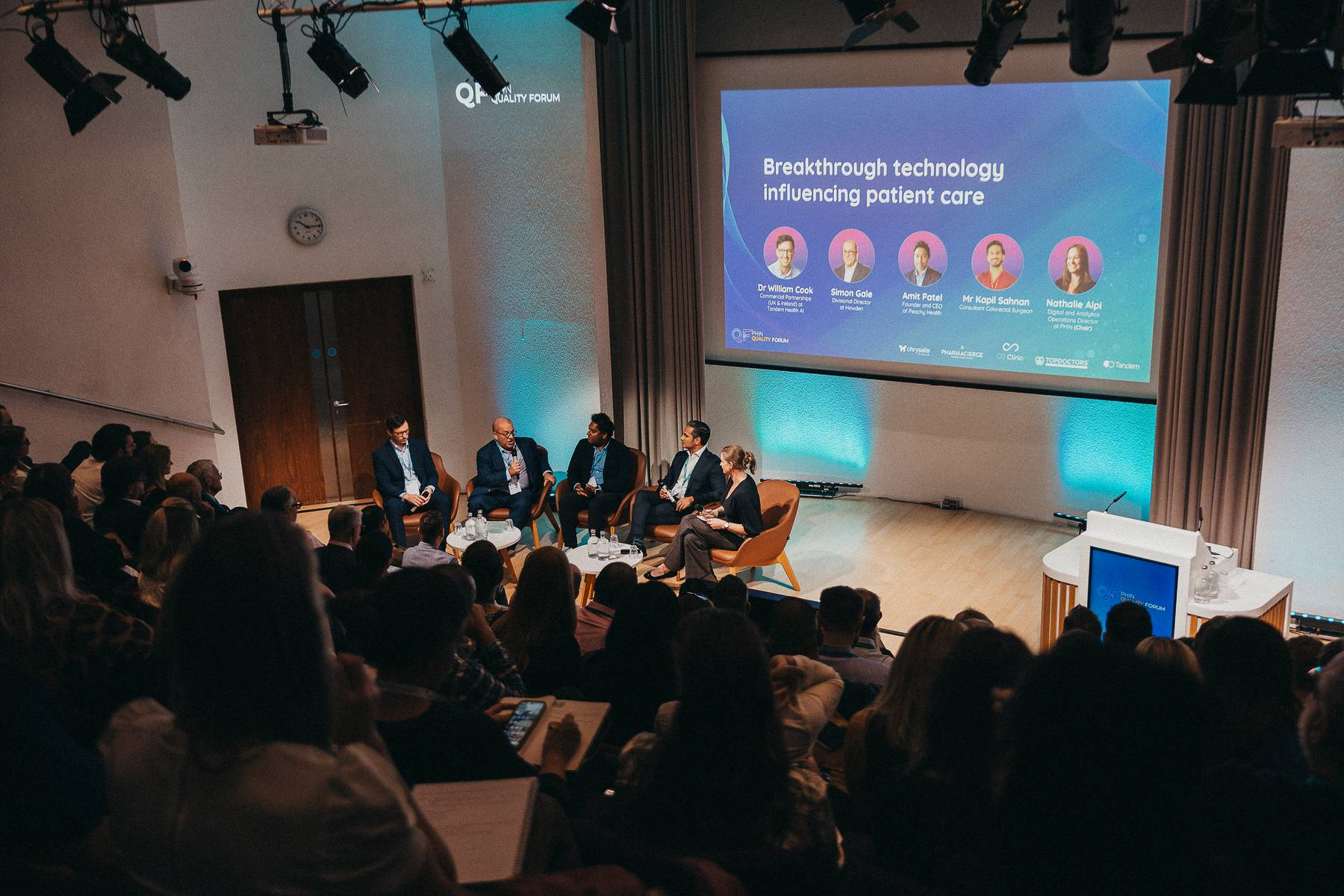
Dr Will Cook of Tandem Health, Simon Gale of Howden Insurance Brokers, Amit Patel of Peachy Health and colorectal surgeon Kapil Sahnan discussed the speed at which patients and clinicians are adopting AI tools, alongside the governance, regulatory and accountability questions this creates.
The panel agreed that healthcare organisations need to adapt, but that adoption must be supported by suitable safeguards. Key challenges included:
- lengthy procurement and evaluation processes,
- uncertainty about responsibility when AI supports clinical decisions,
- inconsistent regulation and
- the need to equip staff and organisational leaders with the skills to assess new technology properly.
Speakers also explored how AI could make better use of information already held in unstructured forms, such as clinical letters. However, they stressed that high-quality, representative data, clear accountability and effective post-market monitoring would be essential if technology is to earn the trust of patients and healthcare professionals.
Recognising progress through the PHIN Awards
The annual PHIN Awards recognised individuals and organisations contributing to greater transparency, innovation, patient safety and informed healthcare choices.
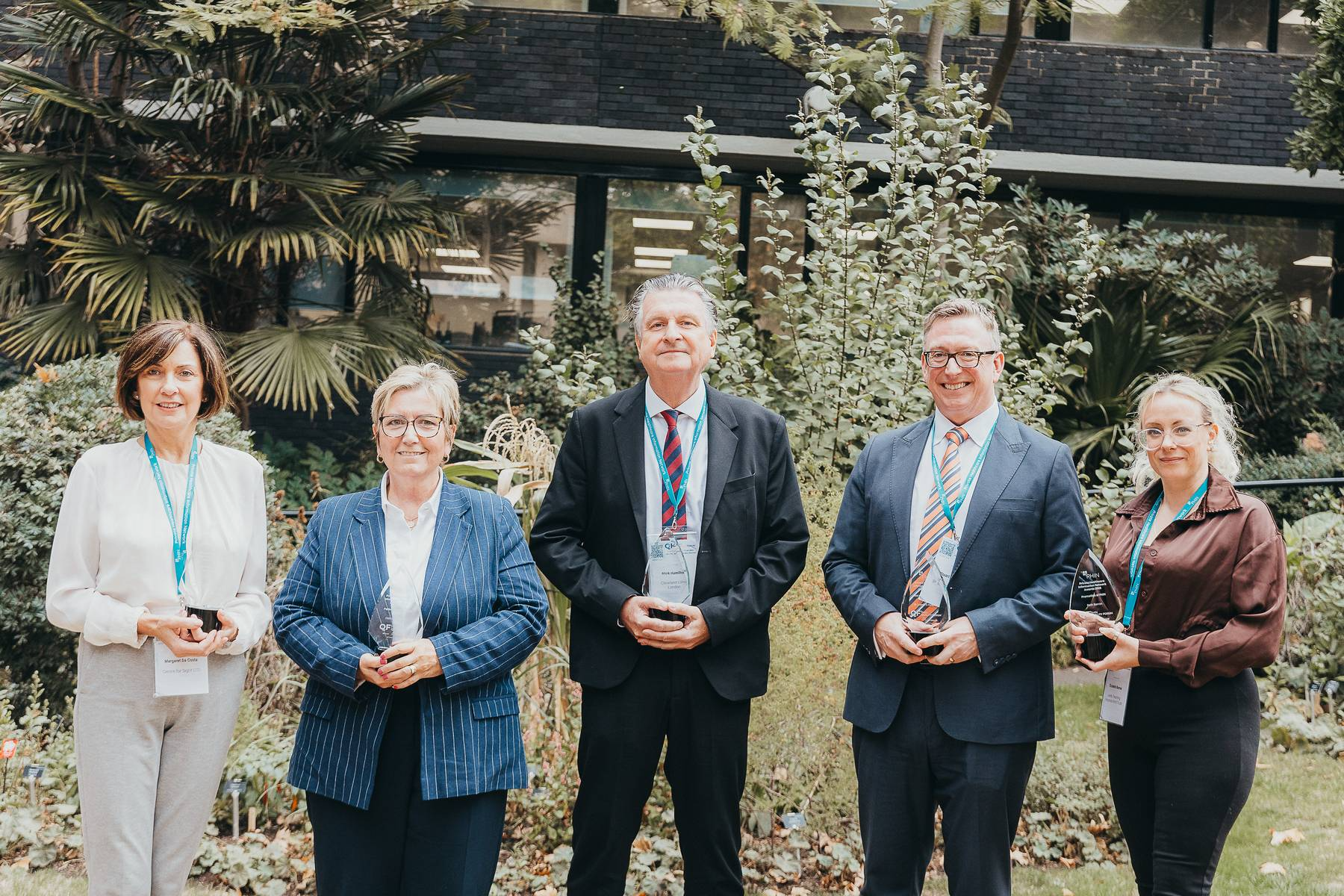
Innovation with a patient focus: Centre for Sight
Centre for Sight received the award for pioneering a world-first glaucoma procedure, rapidly implementing patient-reported outcome measures and achieving full PHIN compliance. The other shortlisted organisations were Spire Healthcare and HCA Healthcare UK.
Best use of PHIN data: St Joseph’s Hospital
St Joseph’s Hospital won for embedding PHIN information and patient-reported outcome measures into its decision-making to improve patient outcomes and operational performance. James Matthews of Barts Hospital and Dean Bennett of Circle Health Group were also shortlisted.
Promotion of PHIN: Beth Barron
Beth Barron of Leeds Teaching Hospitals NHS Trust was recognised for championing PHIN compliance and transparency within the NHS private patient unit community. Stuart Hammond, in his role as Chair of IHPN Wales, and Aviva were also shortlisted.
Consultant contribution: Professor Mark Hamilton
Professor Mark Hamilton of Cleveland Clinic London received the consultant contribution award for championing consultant engagement and accountability through collaboration and leadership. Dr Sarah Frankton of Bupa Cromwell and Rachel Wheeler of Nuffield Health were also shortlisted.
Accepting the award, Professor Hamilton highlighted the importance of accountability, governance and information that patients can understand, as well as the shared goals between Cleveland Clinic London and PHIN.
Patient Contribution Award: Debbie Douglas
The inaugural Patient Contribution Award went to Debbie Douglas for her sustained campaigning for patient safety and the implementation of the recommendations arising from the Paterson Inquiry. Derek Clark and Dale Atkinson were also shortlisted.
Accepting the award, Debbie Douglas called for a joined-up approach to PHIN and NHS data so that patients can better understand whether their consultant is safe. She stressed that appropriate use of data and strong governance can help identify warning signs earlier.
Patient safety in an online world

Professor Henrietta Hughes, England’s first Patient Safety Commissioner, joined journalist and broadcaster Deborah Cohen to examine how patients find and assess health information online.
They discussed how people who do not feel heard or supported by healthcare professionals may turn to social media, online influencers and AI tools. Although these sources can make people feel more informed and empowered, they can also expose them to misleading claims, commercial influence and unsafe treatments.
Professor Hughes argued that patients’ experiences must be treated as valuable intelligence and incorporated throughout the development and delivery of healthcare. She also stressed that trust in healthcare AI cannot simply be imposed centrally. It must be earned from patients, families and the workforce through transparency, involvement, training and responsible implementation.
Deborah Cohen explained how online personalities can create a sense of friendship and trust with their audiences, which can then be used to market products or treatments. Both speakers called for trusted organisations to provide information in accessible forms and on the platforms people already use, rather than simply warning patients not to look online.
Understanding how financial incentives affect care

Helen Hayes, Associate Principal Economist at the Office of Health Economics, used diagnostic imaging for suspected cancer to demonstrate how payment systems can affect hospital activity and the information recorded about it.
Before April 2013, diagnostic scans carried out during an NHS outpatient appointment were included in the overall price for that appointment. Following a national reform, hospitals received an additional payment for each qualifying scan. Analysis covering 180 NHS trusts between 2010 and 2018 found a 134% increase in average outpatient scans per patient following the reform.
The study also identified indications that some of the increase reflected better coding. Twenty-nine per cent of trusts moved from recording no unbundled scans to recording some after the change, and 15% of post-reform scans were recorded by providers that had previously recorded none.
Hospitals that showed a larger increase in scans also showed some improvements in the health outcomes available to the researchers, but the size of those improvements did not match the scale of the increased activity. The presentation therefore raised an important question for both publicly and privately funded healthcare: does paying for more activity necessarily deliver better value or better care?
What does it mean to empower patients?
A panel chaired by Greg Swarbrick, PHIN Partnerships Director, explored what patient empowerment looks like in practice.

Jon Twin of Top Doctors Group, Daniel Maude of Chrysalis Finance, Akeel Arshad of OS Clinic and Edward Ungar of Pharmacierge discussed the importance of useful information, human support, responsive services and effective communication throughout the patient journey.
The discussion highlighted that different patients want information in different ways. Some want detailed data, while others want a much simpler explanation. Providing numerous documents does not necessarily empower someone if the information is overwhelming or delivered through a channel they do not use.
Speakers said patients need practical information that helps them make decisions and navigate care without requiring them to manage every part of the process themselves. They also emphasised that patient feedback often focuses on how people were treated throughout their journey, including communication before and after a procedure, rather than the clinical intervention alone.
PHIN’s approach to artificial intelligence
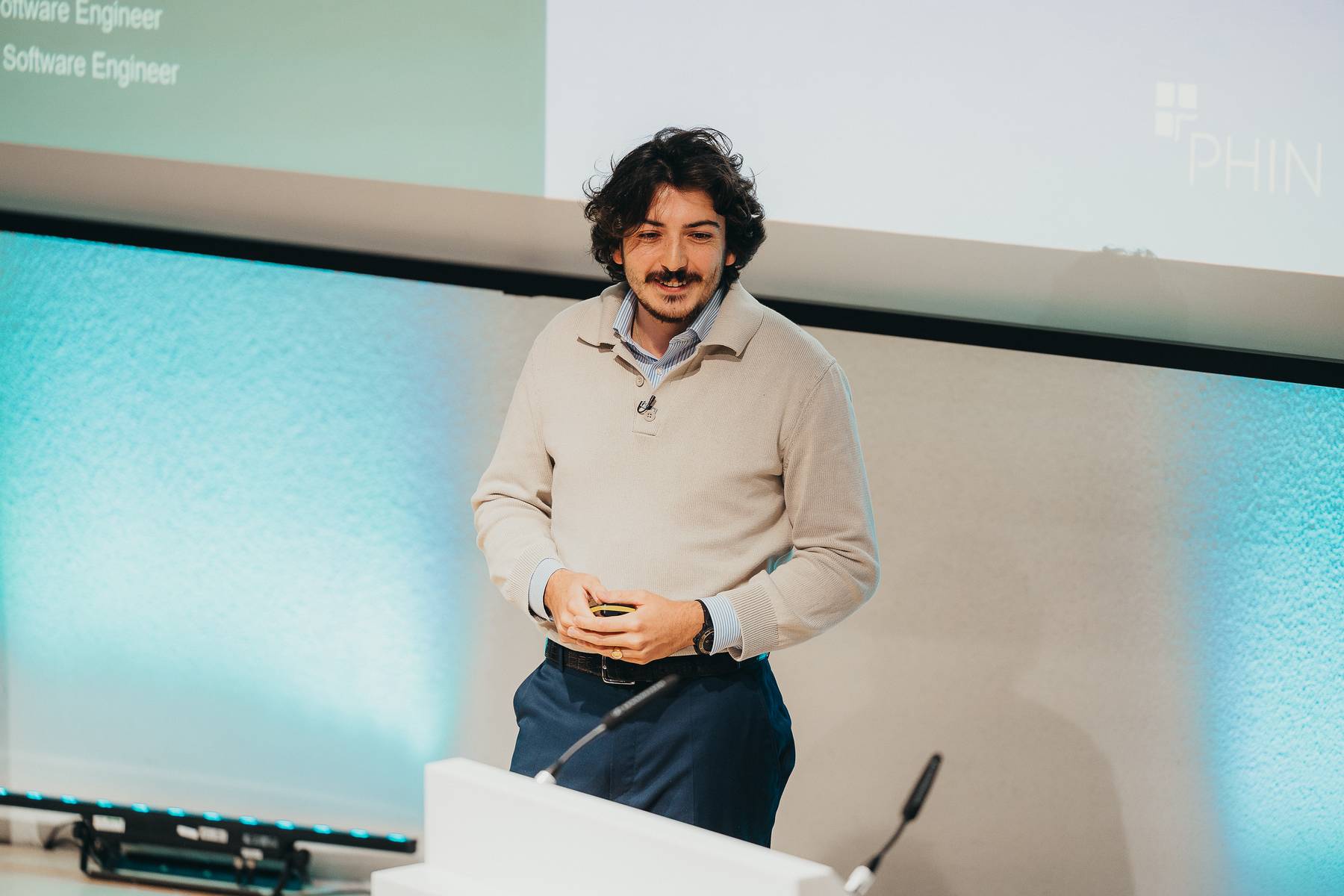
In the afternoon, Dr Ian Gargan, PHIN Lead Software Engineer Jules Blanc and Senior Software Engineer Carl Warner demonstrated how PHIN is developing its own AI capability.
They introduced PHINSearch, specialist technology designed to connect the everyday words used by patients with complex medical terminology. One example showed how a description of cloudy vision and halos around bright lights could be linked to cataracts and cataract surgery, despite the patient not using those clinical terms.
On PHIN’s internal search benchmarks, PHINSearch outperformed the latest model tested from IBM by 3.6%. The team explained that a strong general-purpose AI model may still be unsuitable for a specific healthcare application, making specialist training and evaluation essential.
The team also described plans for a Model Context Protocol interface, which could allow AI systems to access PHIN’s structured, trusted and maintained information more accurately. This could help patients find information about consultants, procedures, hospitals and insurers through the AI services they are increasingly using.
The wider ambition is to build a shared AI capability that can support patients, PHIN staff, consultants and hospitals, while applying appropriate expertise, governance and accountability. As the presenters stressed, AI should be treated as a tool that supports people, rather than as a replacement for human responsibility.
Creating a winning mindset

Former England rugby international and broadcaster Maggie Alphonsi closed the main programme with a keynote about resilience, leadership, teamwork and creating a winning mindset.
Drawing on her journey from discovering rugby at school to becoming a World Cup winner, Maggie Alphonsi spoke about the importance of understanding what motivates people. She explained that England’s successful 2014 Rugby World Cup team developed a stronger emotional connection by sharing why winning mattered personally to each player.
She also reflected on how data transformed elite sport, including the use of GPS information to understand player performance and technology to monitor head impacts. In broadcasting, she said the challenge is not simply having more data, but knowing when and how to present the most relevant information without overwhelming the audience.
Her message carried a clear parallel for healthcare: data is most powerful when it is connected to people, presented at the right moment and used to support a meaningful goal.
Continuing the conversation

Closing the forum, Dr Ian Gargan invited participants to continue sharing ideas about how data and healthcare knowledge can be used to improve the health of the nation.
The discussions across the day pointed to a common conclusion. Collecting and publishing information is an essential foundation, but it is not the final objective. Information must be trusted, understandable and available when people need it.
Above all, it should help patients feel more confident about the decisions they make.
Thanks to our sponsors
Thank you to our sponsors for their support and contributions to the day. We couldn’t have done it without you!

Download the slides
Take a look at the slides from the Quality Forum .
View the event picture gallery
Explore images from the day .
PHIN Quality Forum 2027
If you have any suggestions for next year’s event, including potential speakers, or are interested in knowing more about sponsoring the PHIN Quality Forum, please get in touch via press@phin.org.uk