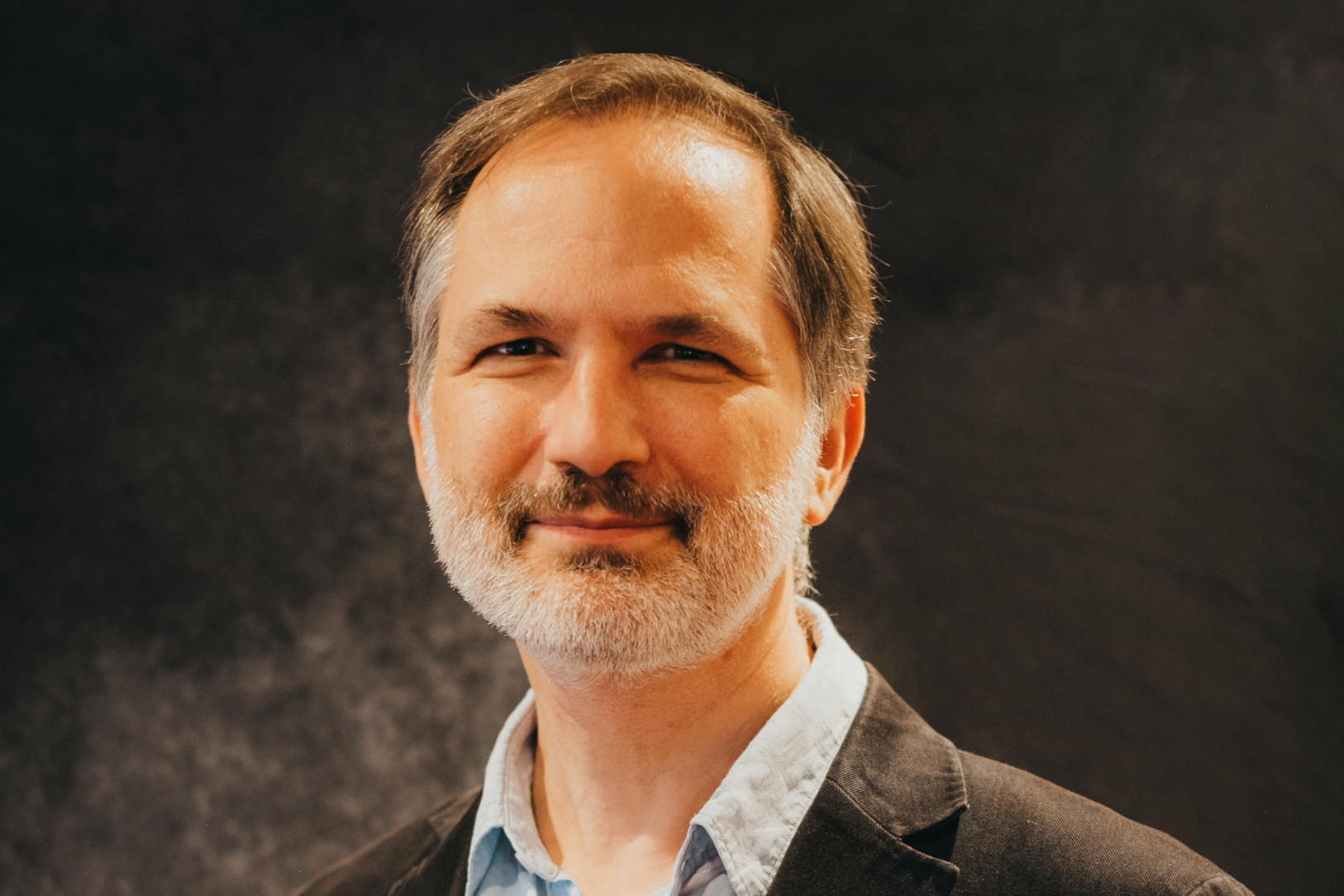
My PHIN Story is a series highlighting the people who make our organisation great.
Here, our Partnerships Director Greg Swarbrick shares how he got into healthcare and what his role involves.
So, Greg – what’s your career background?
I didn’t take a particularly direct route.
I studied Classics at Oxford – Latin, Greek, ancient history, philosophy – and really enjoyed it. But by the end, I felt I’d probably had enough of academia.
I’d been involved in the Industrial Society at university, which gave me a bit of exposure to business. So I went down the graduate scheme ‘milk round’ route and joined British Airways.
I stayed there for quite a while – over a decade – mostly developing partnerships with other airlines like Iberia, Aer Lingus and Cathay Pacific. It was a fascinating time, especially joining just after 9/11 when the industry was going through a major reset.
I think I got a lot out of it in terms of understanding how organisations work and how to manage relationships. But I did reach a point where I thought… I’ve probably got what I need from this.
What made you move into healthcare?
I wanted to do something that felt a bit more directly useful.
So I took some time out, did some writing, and then started looking at roles where you’re helping people more explicitly. That led me into healthcare, via Dr Foster Intelligence.
What was interesting there was that there had been loads of healthcare data available, but until Dr Foster not much was being done with it in a practical way. The idea was to turn it into something useful, insight people could actually act on.
That was also when things were starting to shift more widely. The NHS had just introduced patient reported outcome measures (PROMs), and there was more focus on transparency and quality. That really drew me in.
And how did PHIN come into the picture?
I first got involved with PHIN in about 2013, while I was at Bupa.
At Bupa, you’re looking at your own slice of the market. PHIN was aiming to build a national dataset across the whole private sector, which felt like a much bigger opportunity – to get a more representative view of quality.
I got involved in the PROMs work early on, and over time stayed close to PHIN – going to meetings, keeping in touch, and supporting what it was trying to do.
I joined PHIN in 2021. At the time, I felt we should be working more closely with insurers, and doing more directly for patients, so those became my focus areas.
It sounds like you’ve shaped your own role a bit.
Yes, I think that’s fair.
A lot of what I’ve done at PHIN – and actually throughout my career – has come from spotting gaps and putting my hand up.
That includes the work on PROMs, building stronger relationships with insurers, and more broadly looking at how we collaborate with other organisations.
I think organisations are often less ‘fully formed’ than people expect, so there’s usually space to create something useful if you look for it.
What does your day-to-day actually look like?
It’s quite varied. There isn’t really a typical day.
I tend to have a few different strands running at the same time, from working with insurers and supporting the PMI plenaries to building relationships across the sector, looking at how PHIN data is being used, and exploring new collaborations and partnerships.
A lot of it is about bringing people together and finding ways of working that make sense for everyone.
What motivates you in the role?
At a basic level, it’s about trying to help people.
Everything PHIN does starts and ends with the patient. If we’re not understanding what patients need, then we’re not really doing our job properly.
I also quite like the level of activity. I enjoy having different things going on at once and working out how to prioritise them.
What’s been a standout moment for you?
One that comes to mind is bringing insurers together into one room.
Previously, those conversations were mostly one-to-one. Bringing everyone together helped create more of a shared sense that we’re all trying to achieve something similar, which is better outcomes for patients.
Another one would be the ‘Patient Priorities’ report. We had survey data, focus groups, a lot of patient insight, and we were able to pull that into something practical. Something a patient could actually pick up and use. That felt worthwhile.
How would you describe the culture at PHIN?
It’s very collaborative and quite positive. People are generally motivated by the organisation’s purpose, which makes a big difference.
It’s also a fairly calm environment – quite quiet and thoughtful, which might surprise people if they’ve worked in busier settings. But it means you can actually think, which I like.
And what about outside of work – what do you get up to?
I tend to have quite a lot of projects on the go.
Mostly creative things – writing, drawing, photography – that sort of thing. I think it’s important to have a bit of a hinterland outside work.
What advice would you give to someone starting their career?
Try things out, and volunteer for things. Opportunities often come from putting your hand up. You never know where it might lead – volunteering to share insights with PHIN back in 2014 probably had a longer term consequence of my getting the job I’ve got now.
And when you’re talking about your experience, focus on the impact you’ve had, not just the responsibilities. That’s what really matters.
And finally – what would you say to someone thinking about joining PHIN?
Keep an open mind.
People sometimes come in with assumptions about private healthcare, but in reality it’s a lot of people trying to do a good job and improve things for patients.
If you’re interested in healthcare and want to have an impact, it’s a good place to be.